
How to Prepare for Fire Emergencies Effectively
Fire emergencies can strike at any moment, and being unprepared can lead to devastating consequences. According to the National Fire Protection Association (NFPA), U.S. fire departments responded to over 1.3 million fires in 2020 alone. This staggering number highlights the importance of having a solid plan in place. In this blog post, we will explore effective strategies to prepare for fire emergencies, ensuring you and your loved ones stay safe.
Understanding Fire Risks
Before you can effectively prepare for a fire emergency, it’s crucial to understand the risks involved. Fires can originate from various sources, including:
Cooking Equipment: Unattended cooking is a leading cause of home fires.
Heating Equipment: Space heaters and fireplaces can ignite nearby flammable materials.
Electrical Systems: Faulty wiring or overloaded circuits can spark fires.
Smoking Materials: Cigarettes and other smoking products can easily ignite flammable surfaces.
By identifying potential fire hazards in your home or workplace, you can take proactive measures to mitigate these risks.
Creating a Fire Safety Plan
A well-thought-out fire safety plan is essential for effective emergency preparedness. Here’s how to create one:
Step 1: Map Out Escape Routes
Identify at least two escape routes from each room in your home. Make sure everyone in your household is familiar with these routes. Consider the following:
Primary Escape Route: The quickest way out of the building.
Secondary Escape Route: An alternative route in case the primary one is blocked.
Step 2: Designate a Meeting Place
Choose a safe location outside your home where everyone can gather after escaping. This could be a neighbor’s house, a tree, or a mailbox. Ensure everyone knows where to go.
Step 3: Practice Regularly
Conduct fire drills at least twice a year. This practice helps everyone remember their escape routes and reinforces the importance of staying calm during an emergency.
Installing Fire Safety Equipment
Having the right fire safety equipment can make a significant difference in an emergency. Here are some essential items to consider:
Smoke Alarms
Install smoke alarms on every level of your home, especially near sleeping areas. Test them monthly and replace batteries at least once a year. Consider upgrading to interconnected smoke alarms that alert you if one goes off.
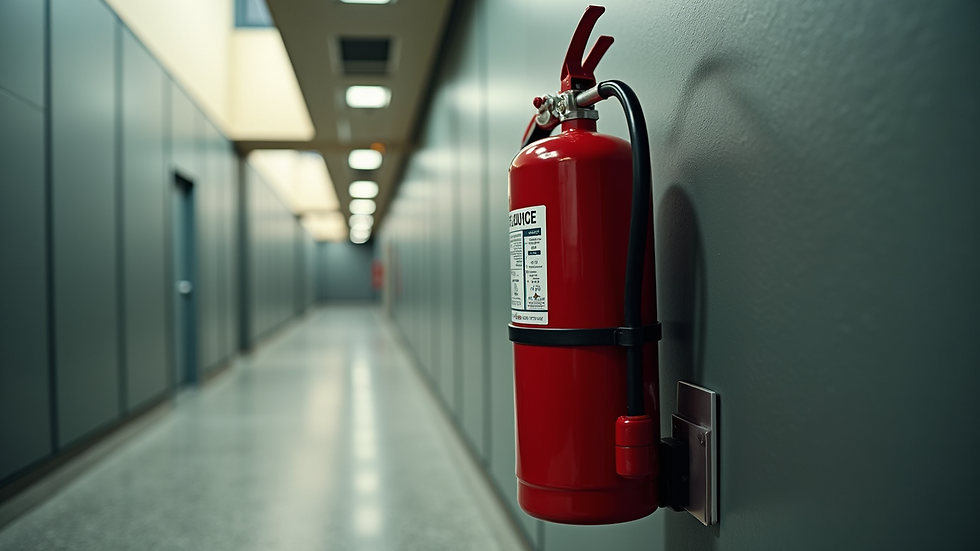
Fire Extinguishers
Keep fire extinguishers in easily accessible locations, such as the kitchen and garage. Ensure everyone in your household knows how to use them. Remember the acronym PASS:
Pull the pin.
Aim low at the base of the fire.
Squeeze the handle.
Sweep from side to side.
Sprinkler Systems
If possible, consider installing a sprinkler system in your home. These systems can automatically extinguish or control fires, providing an extra layer of protection.
Educating Your Family
Education is a vital component of fire emergency preparedness. Here are some ways to educate your family:
Discuss Fire Safety
Hold family meetings to discuss fire safety. Explain the importance of fire drills, escape routes, and the use of fire extinguishers. Encourage questions and address any concerns.
Teach Children
Children should understand fire safety principles. Teach them to:
Stay low to avoid smoke inhalation.
Never hide during a fire.
Call 911 once they are safe.
Use Resources
Utilize resources from organizations like the NFPA, which offers educational materials and activities for families. Engaging in these resources can make learning about fire safety fun and informative.
Preparing an Emergency Kit
An emergency kit can be invaluable during a fire. Here’s what to include:
Water: At least one gallon per person per day for three days.
Non-perishable Food: Enough for at least three days.
Flashlight: With extra batteries.
First Aid Kit: Include essential medical supplies.
Whistle: To signal for help.
Store your emergency kit in an easily accessible location, and ensure all family members know where it is.
Insurance and Documentation
Having the right insurance coverage can alleviate stress after a fire. Here’s what to consider:
Homeowners Insurance
Review your homeowners insurance policy to ensure it covers fire damage. Consider additional coverage for valuable items, such as jewelry or electronics.
Document Your Belongings
Create an inventory of your belongings, including photos and receipts. This documentation can be helpful when filing insurance claims after a fire.
Staying Informed
Stay informed about fire safety and local fire regulations. Here are some ways to keep updated:
Follow Local News: Stay aware of fire alerts and safety tips from local authorities.
Join Community Programs: Participate in local fire safety programs or workshops.
Connect with Fire Departments: Many fire departments offer resources and educational sessions for the community.
Conclusion
Being prepared for fire emergencies is not just about having the right equipment; it’s about creating a culture of safety within your home. By understanding fire risks, developing a fire safety plan, educating your family, and staying informed, you can significantly reduce the chances of a fire-related tragedy. Remember, preparation is key. Take action today to ensure your safety and the safety of your loved ones.

Comments