
Essential Fire Safety Tips for Your Home
Fire safety is a critical concern for every homeowner. According to the National Fire Protection Association (NFPA), a fire department responds to a fire every 24 seconds in the United States. This alarming statistic highlights the importance of being prepared and informed about fire safety measures. In this blog post, we will explore essential fire safety tips that can help protect your home and loved ones from the devastating effects of fire.

Understanding Fire Hazards
Before diving into safety tips, it’s crucial to understand what fire hazards are present in your home. Common fire hazards include:
Cooking equipment: Unattended cooking is a leading cause of house fires.
Heating devices: Space heaters and fireplaces can ignite nearby materials if not used properly.
Electrical systems: Faulty wiring or overloaded circuits can lead to electrical fires.
Flammable materials: Items like paper, cloth, and chemicals should be stored safely away from heat sources.
By identifying these hazards, you can take proactive steps to minimize the risk of fire in your home.
Install Smoke Alarms
One of the most effective ways to protect your home from fire is to install smoke alarms. Here are some key points to consider:
Placement: Install smoke alarms on every level of your home, including inside bedrooms and outside sleeping areas.
Testing: Test your smoke alarms monthly to ensure they are functioning correctly.
Battery Replacement: Change the batteries at least once a year, or consider installing alarms with long-life batteries.
Smoke alarms can provide early warning, giving you and your family precious moments to escape in case of a fire.
Create an Escape Plan
Having a fire escape plan is essential for every household. Here’s how to create an effective plan:
Map Out Exits: Identify all possible exits from each room, including windows and doors.
Designate a Meeting Place: Choose a safe location outside your home where everyone will meet after escaping.
Practice Regularly: Conduct fire drills at least twice a year to ensure everyone knows the escape routes and procedures.
By practicing your escape plan, you can help ensure that everyone knows what to do in case of a fire.
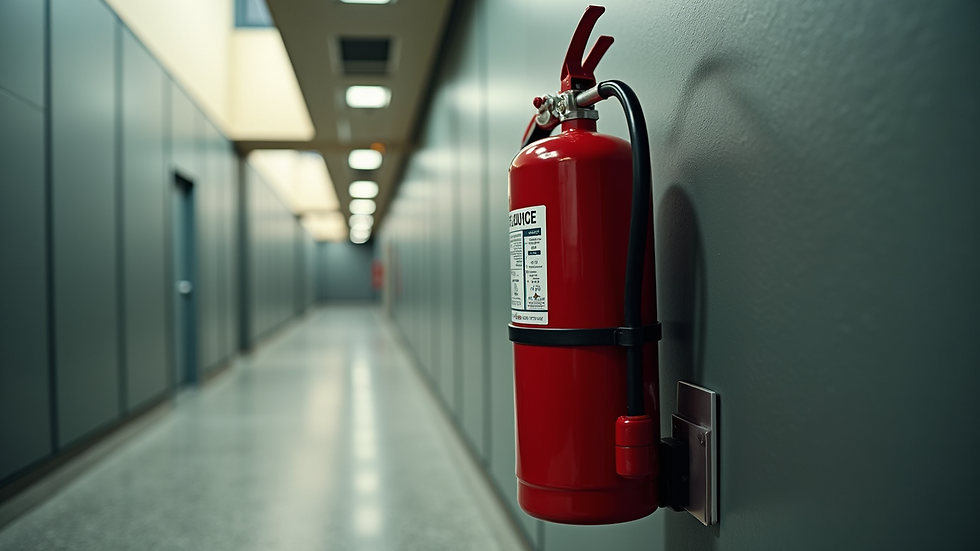
Keep Fire Extinguishers Handy
Fire extinguishers can be lifesavers in the event of a small fire. Here’s what you need to know:
Types of Extinguishers: Familiarize yourself with the different types of fire extinguishers (A, B, C, D, and K) and their uses.
Placement: Keep extinguishers in easily accessible locations, such as the kitchen, garage, and near any heating equipment.
Maintenance: Check your extinguishers regularly to ensure they are charged and in good working condition.
Knowing how to use a fire extinguisher can make a significant difference in controlling a small fire before it spreads.
Practice Kitchen Safety
The kitchen is one of the most common places for fires to start. Here are some tips to enhance kitchen safety:
Stay Attentive: Never leave cooking food unattended. If you must leave the kitchen, turn off the stove.
Keep Flammable Items Away: Store dish towels, paper products, and other flammable items away from the stove.
Use a Timer: Set a timer when cooking to remind you to check on your food.
By following these simple practices, you can significantly reduce the risk of kitchen fires.
Maintain Electrical Safety
Electrical fires can occur due to faulty wiring or overloaded circuits. Here are some safety tips to keep your electrical systems safe:
Hire a Professional: If you notice flickering lights, tripped breakers, or outlets that feel warm, contact a licensed electrician.
Avoid Overloading Circuits: Do not plug too many devices into a single outlet. Use power strips with surge protection when necessary.
Inspect Cords: Regularly check electrical cords for fraying or damage, and replace them if needed.
Maintaining electrical safety is crucial for preventing fires caused by electrical malfunctions.
Store Flammable Materials Safely
Proper storage of flammable materials is vital for fire safety. Here’s how to do it:
Use Proper Containers: Store gasoline, paint, and other flammable liquids in approved containers and away from heat sources.
Keep Away from Living Areas: Store flammable materials in a detached shed or garage, away from your home.
Dispose of Waste Properly: Follow local regulations for disposing of flammable waste materials.
By being mindful of how you store flammable materials, you can reduce the risk of accidental fires.
Install Carbon Monoxide Detectors
Carbon monoxide (CO) is a colorless, odorless gas that can be deadly. Installing CO detectors is essential for safety. Here’s what to know:
Placement: Install CO detectors on every level of your home and near sleeping areas.
Testing: Test your CO detectors monthly and replace batteries as needed.
Replacement: Replace CO detectors every five to seven years, depending on the manufacturer’s recommendations.
Having functional CO detectors can alert you to dangerous gas levels in your home.
Educate Your Family
Fire safety education is essential for everyone in your household. Here are some ways to educate your family:
Discuss Fire Safety: Talk about the importance of fire safety and what to do in case of a fire.
Teach Kids: Teach children how to call 911 and what to do if they hear the smoke alarm.
Involve Everyone: Make fire safety a family affair by involving everyone in drills and discussions.
By educating your family, you empower them to act quickly and safely in an emergency.
Regularly Review and Update Your Safety Measures
Fire safety is not a one-time effort. Regularly reviewing and updating your safety measures is crucial. Here’s how to stay proactive:
Annual Checkups: Schedule an annual checkup of your smoke alarms, CO detectors, and fire extinguishers.
Update Your Escape Plan: Revisit your escape plan every year, especially if there are changes in your household.
Stay Informed: Keep up with local fire safety regulations and recommendations from fire departments.
By staying proactive, you can ensure that your home remains a safe environment.
Conclusion
Fire safety is a shared responsibility that requires awareness, preparation, and action. By implementing these essential fire safety tips, you can significantly reduce the risk of fire in your home and protect your loved ones. Remember, being prepared is the best defense against the unexpected. Take the time to assess your home, educate your family, and create a solid fire safety plan. Your efforts today can make all the difference tomorrow.
Comments